
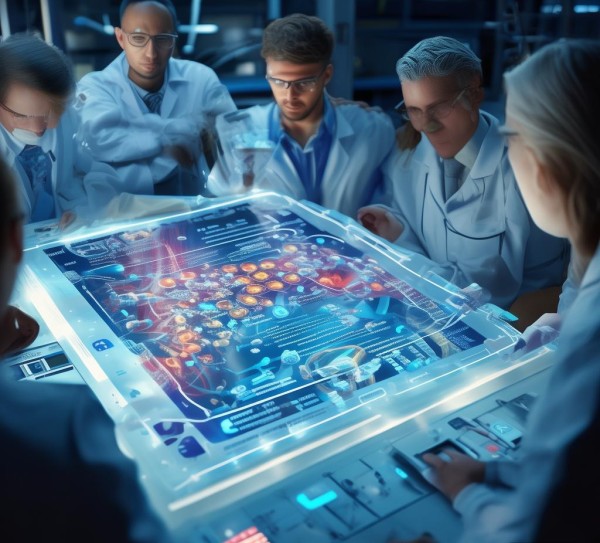
医学科技作为现代科技发展的重要组成部分,已经融合到我们生活的方方面面,其动态发展不仅推动着医学的进步,也为人们带来了前所未有的健康保障和生活质量提升,从医疗设备到生物技术,从药物研发到健康管理,医学科技始终与人类的健康紧密相连,而“医学科技发展动态背景图片”则为我们提供了一个视觉化的窗口,让我们能够更直观地了解医学科技的发展历程和现状,本文将从基础到应用,从技术发展到未来展望,全面解析医学科技的动态,以及其在现代医学中的重要性。 医学科技的起源可以追溯到古代的医术,从古希腊的医学到文艺复兴时期的医学研究,再到现代的精准医学,医学科技的演变历史可以追溯到古代,到文艺复兴时期,再到现代的精准医学,在这个过程中,医学科技始终以适应人类对健康需求的提升而进步,古代的针灸、手术和药物疗法,为现代医学奠定了基础,而现代医学则在这些基础上,进一步发展出了一系列先进的医疗设备和治疗方法,如CT扫描、MRI、X光等,这些技术的出现,极大地提高了医学诊断和治疗的效率和精度。 医学科技的发展离不开技术的进步,从传统医学到现代医学,技术的革新始终是医学进步的关键,人工智能在医学领域的应用,使得医生能够通过数据分析和模型预测,提高诊断的准确性和效率,5G网络的普及,也使得远程医疗变得更加便捷和高效,尤其是在偏远地区和偏远地区患者之间的医疗交流上,5G网络的普及起到了至关重要的作用,基因编辑技术的突破,如CRISPR系统,也推动了 personalized medicine的发展,使得治疗方案可以更加精准地针对患者的需求。 医学科技的发展也伴随着一些挑战,医学设备的复杂性和成本问题,使得某些技术的推广和普及面临困难,医学伦理问题的不断出现,也对医学科技的发展提出了新的要求,如何在追求技术进步的同时,确保医学服务的公平性和伦理性,是一个亟待解决的问题,医学科技的发展不仅需要技术的突破,还需要伦理的考量和政策的引导。 从技术发展的角度来看,医学科技的发展遵循着从基础到应用的规律,从传统的针灸、手术到现代的精准医学,从传统的药理学到现代的生物医学,每一次技术的革新都为医学的发展注入了新的活力,精准医学的发展,使得医生能够根据患者的具体情况,选择最适合的治疗方案,从而提高了治疗的精准性和有效性,5G网络的普及则使得远程医疗更加便捷,尤其是在偏远地区和偏远地区患者之间的医疗交流上,5G网络的普及起到了至关重要的作用。 从未来发展的角度来看,医学科技的发展方向似乎更加多元化和多样化,随着人工智能、大数据等技术的不断进步,医学科技的发展将更加智能化和自动化,人工智能在疾病诊断、药物研发、个性化治疗等方面的应用,将极大地改变医学的面貌,随着生物医学的快速进步,如基因编辑、基因治疗等技术的突破,医学科技的发展也将更加紧密地与人类的健康需求相结合,推动医学的全面 evolution。 在总结医学科技的发展历程和未来展望时,我们可以看到,医学科技的发展是全面的,它不仅在技术层面取得了巨大进步,更在人类健康福祉上发挥了重要作用,从古代的医术到现代的精准医学,从传统到现代,从传统到现代,医学科技始终是推动人类健康进步的重要力量,我们应当更加关注医学科技的发展,积极参与到这项科技的创新与应用中,为实现人类的健康福祉贡献力量。 医学科技作为现代科技发展的重要组成部分, plays a crucial role in the modernization of medicine. It has deeply integrated into our lives, contributing to the advancement of medical practices and enhancing the quality of life for individuals. From medical devices to biotechnology, from drug development to patient care, medical technology has always played a significant role in the health of the human body. The "development of medical technology dynamics background image" provides a visual representation of its development, allowing us to better understand its evolution and current state. This article will explore the development of medical technology from its foundations to its applications, from technological advancements to future perspectives, offering a comprehensive analysis of the field. Medical technology's origins can be traced back to ancient practices such as medicine, from the ancient Greek medical tradition to the Renaissance period, and into modern precision medicine. Its evolution is marked by the continuous advancement of technology, with medical technology gradually establishing itself as a crucial component of human health. Ancient practices include traditional针灸, surgical techniques, and pharmacological therapies, which laid the foundation for modern medicine. In the modern era, medical technology has evolved to include advanced medical devices such as CT scans, MRI, and X-rays, which have significantly improved diagnostic and therapeutic efficiency. The development of medical technology is closely linked to technological advancements, with the continuous progress of AI in the field of medicine driving the development of diagnostic systems and therapeutic models, while 5G technology has made remote medical care more accessible and efficient, particularly in remote and underserved regions, where 5G technology has played a pivotal role in facilitating patient care. Medical technology also faces challenges, such as the complexity and cost of medical equipment, which pose difficulties in its widespread adoption, and the emergence of medical ethics issues, which require thoughtful consideration. How to balance the pursuit of technological progress with the need for fairness and伦理性 in medical services remains a significant challenge. Medical technology will further evolve with the integration of AI and big data, and its integration with human health needs will continue to advance, driving the field of medical evolution. From a development perspective, medical technology's evolution follows the progression from the foundation to the application, starting with traditional practices such as针灸, surgery, and pharmacological treatments, and progressing to modern precision medicine, from traditional to modern, and from traditional to modern. Each technological advancement contributes to the development of medical technology, enabling doctors to tailor treatment plans to individual patient needs, thereby improving the precision and efficacy of medical treatments. The integration of 5G technology in remote healthcare has made such personalized treatment possible, particularly in remote and underserved areas.