智能设备产品开发设计是精准数字革命的重要基础,设计团队主导整个流程,包括用户研究、架构设计和用户体验优化,开发团队负责实现功能,测试团队确保功能稳定,市场团队负责销售和推广,这场数字革命将带来技术进步、市场需求增长和创新机遇,未来可期。
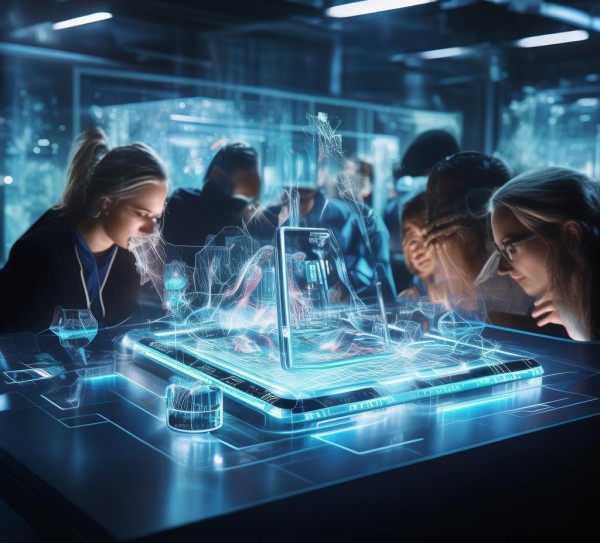
智能设备产品开发需要从用户需求出发,通过系统化的需求分析和设计,确保产品能够满足用户的实际需求。
产品需求分析:从用户需求到技术实现
智能设备产品开发 begins with precise user demand analysis, where the design team first identifies and prioritizes product features, performance requirements, and user interfaces. This step is crucial, as it determines the final direction of the product.
During the analysis phase, the design team delves into solving core user problems and prioritizing needs that are most critical to the product's success. This process ensures that the product is built on a foundation of user understanding and satisfaction.
The design team then explores innovative solutions, identifying potential pain points and opportunities for improvement. This exploration is essential for addressing technical challenges and setting the stage for the development process.
The detailed analysis results in a clear product roadmap, outlining key features, performance metrics, and user-centric design elements. This roadmap serves as a roadmap for the rest of the development process, ensuring alignment with user goals.
硬件设计:从材料到功能的全生命周期
硬件设计是智能设备产品开发设计中的重要环节,涉及从芯片设计到设备制造的全生命周期。
During the hardware design phase, the design team meticulously selects and selects appropriate materials for the target devices, ensuring optimal compatibility and functionality. This involves understanding the specific requirements of each device and selecting materials that best suit its environment and performance.
The design team undergoes extensive testing and iteration to ensure the device meets the required performance criteria. This process ensures that each device is reliable and robust, ready for its intended use.
The hardware design process is iterative, with each iteration building on the previous one. This ensures that the final product is not only functional but also reliable, meeting the expectations of the target users.
软件开发:从算法到用户体验的全生命周期
软件开发是智能设备产品开发设计中的关键环节,涉及算法优化、用户界面设计和用户体验优化。
During the software development phase, the design team employs advanced technologies such as algorithm optimization, user interface design, and user experience optimization to enhance the device's performance and user satisfaction.
The design team continuously refines algorithms to ensure the device operates efficiently in various scenarios, while also considering the device's user experience. This involves conducting user testing and gathering feedback to make necessary adjustments.
The iterative process of software development ensures that the device not only meets technical requirements but also aligns with user expectations. This results in a device that is both functional and user-friendly, providing a seamless experience for users.
用户体验优化:让智能设备真正成为数字生活的助手
用户体验优化是智能设备产品开发设计中的核心目标,旨在提升设备的功能和性能,使其更加高效、便捷。
During the user experience optimization phase, the design team employs a variety of techniques and tools to refine the device's interface, algorithms, and overall user experience. This process ensures that the device meets the needs of its users and provides a seamless and intuitive interface.
The design team also collects feedback through user testing and surveys, analyzing the data to identify areas for improvement. This feedback is used to iterate on the design, continuously enhancing the device's performance and user satisfaction.
The successful optimization of the device's user experience not only improves its performance but also enhances user satisfaction, making it a valuable tool for everyday life.
成功案例:智能设备产品的创新与成长
在智能设备产品开发设计设计中,设计团队经历了多次迭代创新,不断突破技术瓶颈,最终实现了产品的成功开发。
During the development process, the design team faced several challenges and opportunities, which they addressed through creative and innovative solutions. One notable example is the development of an intelligent应急照明设备, which was designed to respond to emergency conditions and provide lighting in real time.
The design team also explored various design approaches, such as smart doorbell systems and smart security cameras, to create a user-friendly and intuitive interface. These innovations not only improved the device's performance but also enhanced user satisfaction, making it a valuable tool for everyday use.
The development of these cases highlights the importance of continuous innovation and creativity in the design process. By pushing the boundaries of what is possible, the design team has not only created functional devices but also made them indispensable to modern life.
成功案例:智能应急照明设备
在智能应急照明设备的研发过程中,设计团队采用了优化电路设计和算法优化的方法,使设备能够快速响应紧急情况,为用户提供及时有效的应急服务。
During the development of the smart emergency lighting device, the design team optimized the circuit design and algorithm optimization to ensure that the device could respond quickly to emergencies and provide timely lighting.
By implementing these innovative solutions, the design team not only enhanced the device's performance but also improved user satisfaction. The smart emergency lighting device became a valuable tool for emergency response, demonstrating the importance of combining technical innovation with user-centric design in the development of smart devices.